
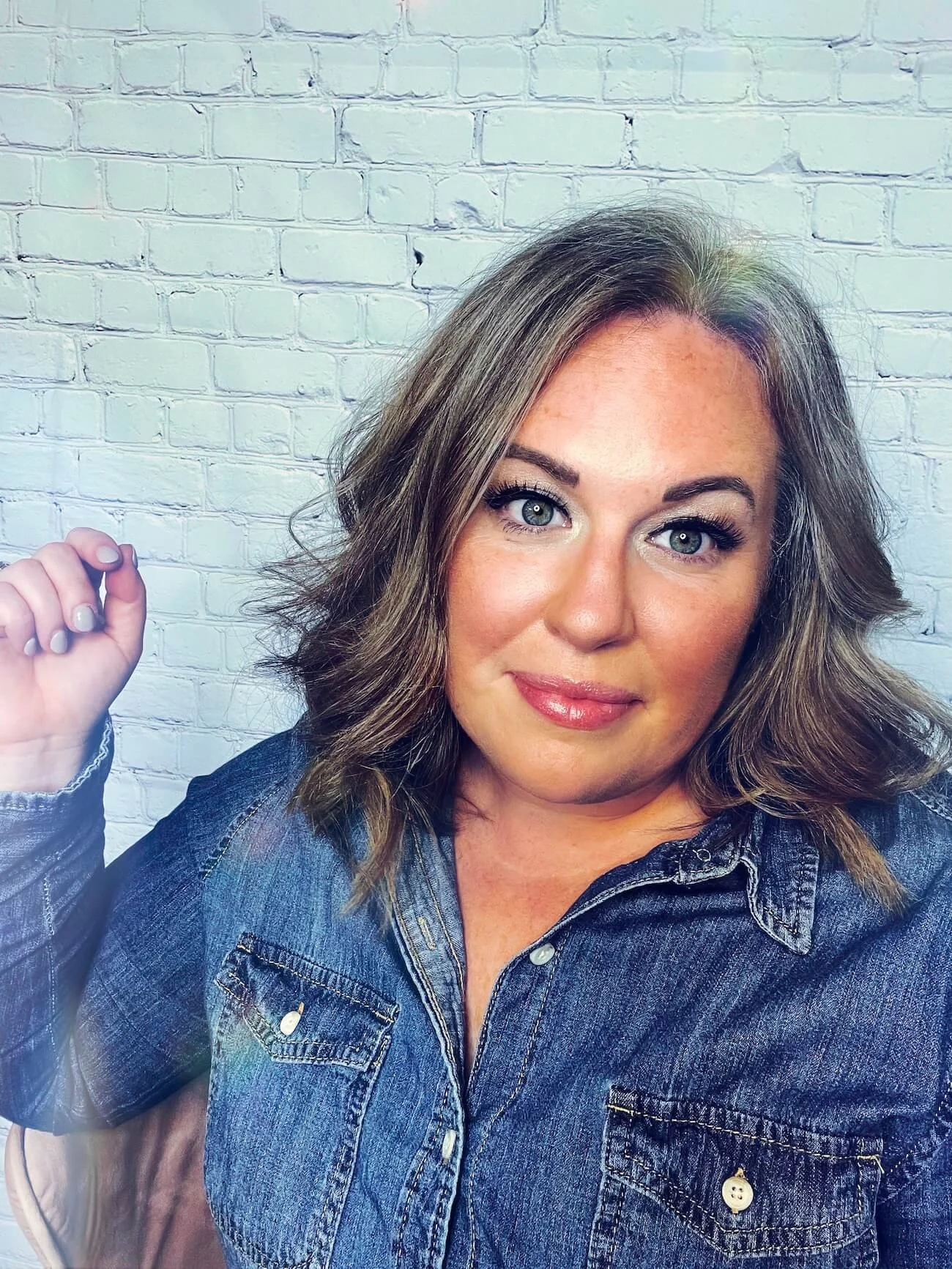
THERAPIST. COACH. CONSULTANT. EDUCATOR.
Dr. Laura Anderson
Dr. Laura Anderson is a trauma therapist, coach, educator, and midlife women’s health advocate specializing in the intersection of trauma, nervous system functioning, identity, and healing.
WORK WITH ME
Clients
When working with clients, therapy and coaching sessions are tailored to the individual while prioritizing nervous system regulation, developing internalized safety, stability, and resources, and integrating the past into the present (rather than avoiding it!) in order to work toward a whole and vibrant future.
Professionals
My consultation and supervision packages are geared toward those in the helping and lay professions who seek to deepen their knowledge on religious trauma, adverse religious experiences, and trauma resolution, build their skills and knowledge as they seek effective ways to support survivors of high demand/high control systems, and/or wish to seek guidance on specific clients or cases for more meaningful support.
Education
When educating and speaking, topics are tailored to the wishes of the event organizers. As an author and writer, Dr. Laura’s content focuses on bringing awareness to religious trauma and adverse religious experiences, the process of healing, faith deconstruction and identity reconstruction, healing from purity culture, and dynamics of power and control within religious and cult systems and relationships. Additionally, Dr. Laura educates and creates content around issues women experience in midlife through a trauma-informed and whole-bodied health lens.

MY OWN HEALING STORY
About Laura
As an Evangelical camp kid (including living there year round!) turned youth director, I have the inside track on experiencing, participating in, and promoting the lifestyle and teaching of high demand/high control religion.
It also means I understand the various ways people are impacted by such systems and as a trauma therapist of over 10-years, I understand how these impacts can effect every area of life–even if you’ve left or cognitively deconstructed from religion.
In my early 20’s, while working at a church with a spiritually and psychologically abusive pastor/boss, I recognized that something was wrong, but it wasn’t until my late 20’s, after moving across the country that I was able to begin recognizing the harm and adverse religious experiences I endured.
My process of faith deconstruction began in my early 20’s after resigning my position at a church I worked for after significant spiritual and psychological abuse (though I didn’t know at the time this was what I was experiencing).
I am a curious person by nature and though I had many questions about spirituality, God, and religion, I knew exploring this would lead not lead to answers, rather disconnection, doubt from others about my salvation, and ultimately being seen as a potential danger or threat for not being able to accept the answers I was given.
After moving to Nashville, TN I joined a church that was every bit as fundamentalist as what I had grown up in but boasted an openness to asking questions. This was the stepping stone I needed that allowed the questions I had been keeping beneath the surface to come up and out and when they did, I could not unsee the harm I experienced, caused, and promoted, all under the name of God.
Leaving formal religion provided near-instant relief from the constant anxiety and terror I lived with on a daily basis. Though I was able to begin developing self-compassion and kindness, I began experiencing physiological and psychological symptoms that grew worse each month.
While I know now that this is common in individuals with PTSD or CPTSD (as well as many other mental and physical health diagnoses),I did not connect my symptoms with my experiences and instead embraced a new fundamentalism: self-improvement.
My days were filled with self-help books, cleanses and detoxes, the latest fad diets and exercise programs, hours of meditation every day, manifestation, alternative medicine practice and mounting shame that no matter how hard I worked, the symptoms I was experiencing were only becoming worse.
After countless appointments and sessions with doctors, healers, therapists, and alternative medicine practitioners provided no answers or clarity on my rapidly diminishing mental and physical health, I took my healing journey into my own hands.
Though the book had been sitting on my shelf, unread, for years, on a whim one day I grabbed my copy of “In an Unspoken Voice” by Peter Levine. With my mouth agape, I could not deny that what he was describing was exactly what I had been experiencing–and he had a name for it: trauma.
Over the course of the next 30 days I read SEVENTEEN trauma books; I was insatiable. Finally being able to put language and understanding about what was happening inside me felt like a dark cloud that had previously enveloped me, disappeared. I learned about trauma, the nervous system, physiology, embodiment and how long-term, chronic overwhelm–such as that experienced in high demand/high control religion–often resulted in a more complex form of trauma called Complex Post-Traumatic Stress Disorder (CPTSD).
Not shockingly, however, the mere cognitive understanding of trauma, while helpful (and fascinating!) did not reduce the symptoms I was having (in fact, some of them got worse!) At a low point I reached out to a colleague of mine who used Somatic Experiencing–a trauma resolution modality created by Peter Levine–and asked if she was taking clients.
Though I do not discount the work I had done prior to beginning working with this therapist, it was the introduction to my body and nervous system, finding safety within myself, and integrating that safety into my day-to-day so I could deal with the stuff of life, that things began to change.
I am still a work in progress.
I believe healing is a lifelong process rather than a destination we eventually arrive at. There is no point where we get to declare ourselves fully healed and exempt from the challenges of being human. Instead, healing has taught me how to relate to myself differently, navigate life’s inevitable difficulties with greater capacity, and return to myself when I lose my way.
Who I am today is quite different than who I was when I first began this journey. I am profoundly grateful for what I have learned through healing my nervous system, resolving trauma, recovering from high demand and high control religion, and learning to trust myself again.
For many years, I believed that once I understood trauma and learned how to work with my nervous system, the hardest part was behind me.
Then midlife arrived.
What began as unexplained, significant weight gain gradually became a collection of symptoms that felt both familiar and confusing: fatigue, brain fog, chronic pain, anxiety, changes in mood, shifts in identity, changing relationships, and a growing sense that I no longer recognized myself. Despite years of education, professional training, and personal healing work, I found myself asking many of the same questions I had asked years earlier: What is happening to me? Why does my body feel different? Why does nothing seem to be working the way it used to?
Like many women, I initially assumed I needed to try harder. Better routines. Better supplements. Better sleep habits. Better stress management. Yet the more I learned, the more I realized that what many women experience during midlife cannot be understood through a single lens.
Midlife is not simply a hormonal transition. It is often a profound biopsychosocial transition that impacts the body, brain, nervous system, relationships, identity, sexuality, health, purpose, and sense of self. For women with histories of trauma, chronic stress, adverse religious experiences, or difficult relationships, this season can also uncover wounds that previously remained hidden beneath the demands of daily life.
As I began studying the intersection of trauma, nervous system functioning, women’s health, hormones, chronic illness, inflammation, sleep, identity development, and aging, I saw the same patterns emerging not only in my own life but in the lives of countless women around me. Brilliant, capable women were questioning themselves. Women who had spent decades caring for everyone else were suddenly realizing they no longer knew how to care for themselves. Women were being told that their symptoms were simply stress, aging, anxiety, or something they needed to accept, while simultaneously feeling disconnected from their bodies and uncertain about who they were becoming.
The more I learned, the more I recognized that my work had always been about helping people reconnect with themselves.
Whether I am working with someone recovering from religious trauma, navigating the aftermath of abuse, healing complex trauma, rebuilding trust in their body, or finding their footing in midlife, the goal remains the same: helping people understand their experiences, develop self-trust, create safety within themselves, and build lives that feel more authentic, connected, and sustainable.
My professional work and personal journey continue to evolve together. Both have taught me that healing is rarely about becoming someone new. More often, it is about uncovering who we have always been beneath the fear, conditioning, expectations, and survival strategies that once helped us get through.
And that is work I remain deeply passionate about today.
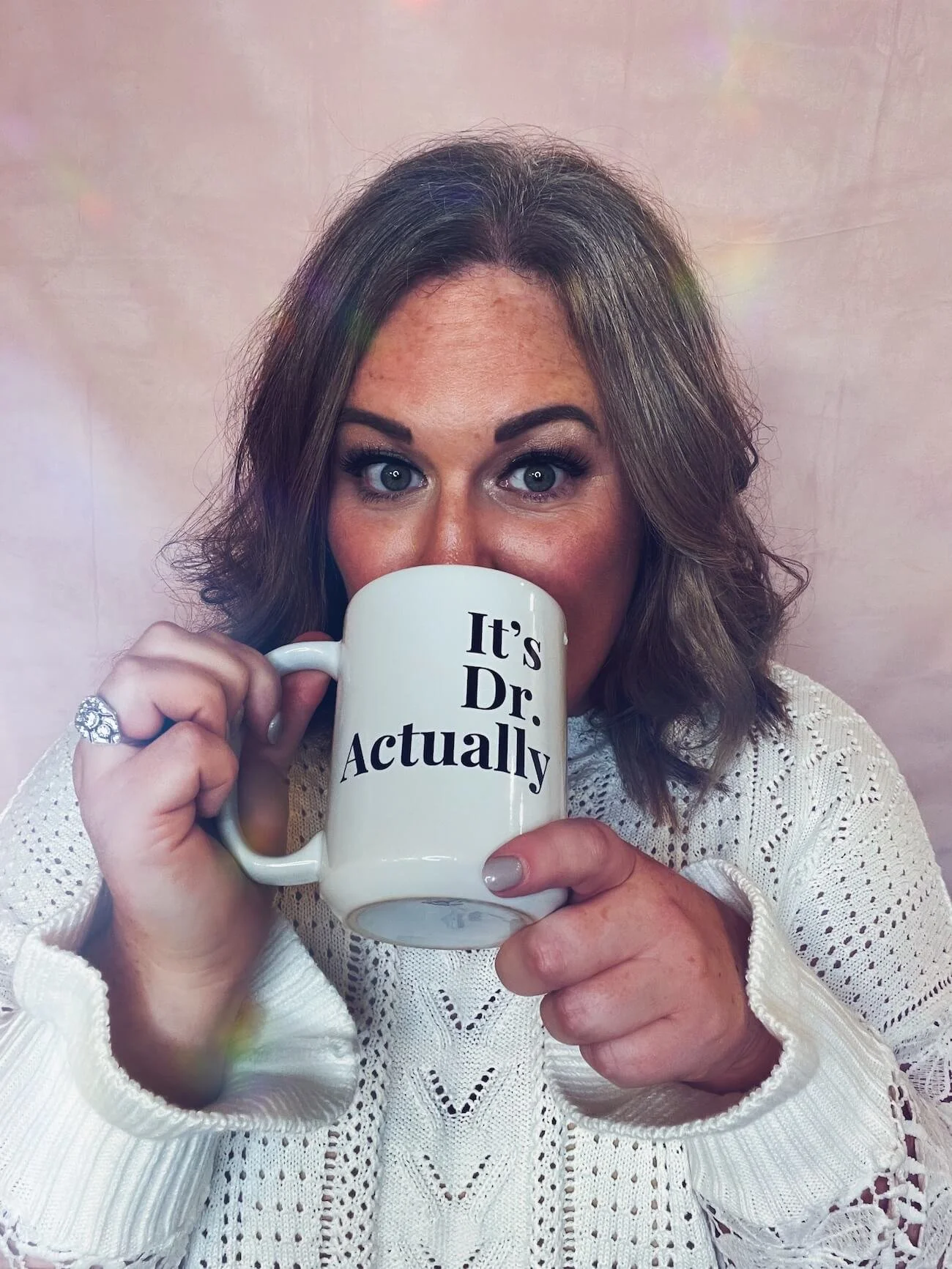
AFTER ALL OF THAT HEALING…My Official Credentials
Click to read more about my education, research, and professional experience.
-
I earned my PhD in Mind Body Medicine from Saybrook University in May 2021 with my research focus being in the experience of living in a healing body after sexualized violence and trauma. You can access my dissertation here.
In 2010 I completed my Master of Arts in Marriage and Family Therapy from Liberty University
In 2005 I completed my Bachelor of Science in Christian Ministry (emphasis in youth ministry and Bible) from Crown College
I am a Licensed Marriage and Family Therapist in the States of Tennessee and Minnesota, USA
I am an Approved Supervisor and Supervisor Mentor through the American Association of Marriage and Family Therapy
-
Somatic Experiencing Practitioner, Advanced level (completed February 2023)
Certified Clinical Trauma Professional Level 1& 2
Certified Clinical Hypnotherapist
Certified Integrative Medicine Practitioner
Somatic and Attachment Based EMDR Level 1 & 2
Trauma Focused Cognitive Behavioral Therapy Certification
Other advanced training in the areas of:
Trauma Informed Stabilization Treatment
Attachment theory
Internal Family Systems & Somatic Internal Family Systems
Nervous System + Physiology
Mindfulness
Mindfulness Based Stress Reduction
Emotions Focused Therapy (EFT)
Family Systems
Trauma-informed care in mental health
-
In 2019, I co-founded the Religious Trauma Institute (RTI) with Brian Peck. Together we visioned RTI to be a place for educational resources, trainings, support, and referrals for all things religious trauma. While RTI focuses its efforts on training professionals through seminars, workshops, consultation groups, and continuing education, we are continuously working to expand our reach by:
Creating an online directory of religious trauma informed practitioners for survivors of religious trauma to access
Supporting those in the helping professions by ongoing consultation groups
Providing courses and trainings
Creating harm reduction resources for churches, clergy, and parachurch ministries
Connecting with community members and advocates to expand the reach of religious trauma education and resources.
For more information on the Religious Trauma Institute click here.
-
In 2021, I opened the Center for Trauma Resolution and Recovery (CTRR)--an online coaching company that provides trauma coaching for individuals, couples, and families all over the world who are looking for support in faith deconstruction, identity reconstruction, trauma resolution, grief work, boundaries, attachment and relationship work, healing from adverse religious experiences and purity culture, and other areas related to recovering from religious trauma.
The coaches (also called practitioners) at CTRR are spread out throughout the United States and have backgrounds in mental health, education, professional and lay ministry, childhood development, yoga, design, data research & analytics, and more. Each practitioner brings with them a wealth of knowledge, training, and personal experience that informs their work with clients and brings a unique perspective to our group consultations.
The Center for Trauma Resolution and Recovery is an online coaching company which allows us to see clients regardless of where they live. May 2026 marked our 5-year anniversary and celebrated over 20,000 sessions conducted along with many support groups. We look forward to the continued growth as we know that this only means that people are finally receiving the support they have been looking for.

Some of what I do:
Witness
I am a compassionate witness for: my clients, my supervisees, my colleagues & professional peers, and for followers and supporters of my work.
CREATE
I create through: sharing, writing, challenging the status quo.
Teach
I teach about religious trauma, adverse religious experiences, dynamics of power and control, shame, grief work, integration, resilience, and healing
SHARE
I share of myself through my reflections, my learnings, my mistakes, and my growing and changing understanding of the world
Some of what I believe:
I believe that our worthiness comes not from accomplishment, productivity, identity, appearance, achievement, or conformity, but simply from our humanity.
I believe that each of us is the expert on our own life. I also believe we benefit from learning alongside others and that wisdom can come from research, lived experience, relationships, mistakes, and curiosity.
I believe that our bodies are wise and often communicate truths that our minds have not yet fully understood. Symptoms are not character flaws, personal failures, or evidence that we are broken. More often, they are information inviting us to pay attention.
I believe that our nervous systems, bodies, emotions, and behaviors make sense within the context of our experiences. What often gets labeled as dysfunction is frequently an adaptive response to environments that required survival.
I believe that healing involves both insight and embodiment. Understanding ourselves is important, but meaningful change often requires developing new experiences of safety, connection, agency, and self-trust.
I believe that physical health, mental health, relationships, identity, hormones, stress, trauma, and life experiences are deeply interconnected. We are not separate systems; we are whole people.
I believe that midlife is not merely a biological transition but often a profound developmental transition that invites us to reevaluate who we are, how we live, what we need, and what we want moving forward.
I believe that many women have spent decades caring for others while learning to disconnect from themselves. I believe it is never too late to reconnect with your body, your needs, your desires, your voice, and your sense of self.
I believe in being a lifelong learner and that believing we have arrived often limits our capacity for growth. Curiosity keeps us open. Certainty can sometimes keep us stuck.
I believe that difference does not need to equate to danger, disconnection, or dehumanization.
I believe in the power of relationships to help us heal, grow, celebrate, grieve, endure, and experience greater joy.
I believe in the inherent dignity, worth, and humanity of people of all genders, sexual identities and orientations, ethnicities, races, body sizes, body abilities, ages, and socioeconomic backgrounds.
And perhaps most importantly, I believe that healing is not about becoming someone new. It is about becoming more fully yourself.
Why Midlife?
For much of my career, I believed that trauma, nervous system healing, and embodiment were the primary lenses through which I understood health and well-being.
Then I entered midlife.
Like many women, I understood that my hormones would change. What I did not expect were the sleep disruptions, brain fog, chronic pain, fatigue, shifting relationships, identity questions, and the growing sense that the strategies that had worked for me for years were no longer working.
As I searched for answers, I discovered that many women were having similar experiences. Women who were intelligent, capable, and successful were suddenly questioning themselves, feeling disconnected from their bodies, and struggling to find support that addressed the full complexity of what they were experiencing.
The more I learned, the more I recognized that trauma, chronic stress, nervous system functioning, hormones, relationships, and identity are deeply interconnected.
Today, my work focuses not only on helping individuals heal from trauma and high-control relationships and systems, but also on helping women understand and navigate the physical, emotional, relational, and identity shifts that often emerge during midlife. My goal is not simply to help women survive this season, but to help them better understand themselves, reconnect with their bodies, and move through midlife with greater self-trust, clarity, and confidence.
Official Bio:
Dr. Laura Anderson (PhD, Saybrook University; LMFT) is a therapist, trauma resolution and recovery coach, writer, educator, and speaker specializing in complex trauma, with particular expertise in religious trauma, domestic violence, sexualized violence, and the intersection of trauma, nervous system functioning, and women’s health.
With more than 15 years of clinical experience, Laura helps individuals understand and heal the impacts of chronic stress, high-control relationships and systems, adverse religious experiences, and complex trauma. Her work focuses on supporting women navigating midlife transitions, including the ways hormonal changes, nervous system dysregulation, identity shifts, relationship changes, chronic health symptoms, and unresolved trauma can intersect during this stage of life.
Dr. Laura is the founder and director of the Center for Trauma Resolution and Recovery, where she provides coaching, consultation, and educational programming for individuals healing from religious trauma, complex trauma, and significant life transitions. She is also the creator of the Certified Religious Trauma Practitioner (CRTP) program, an advanced training program for therapists, coaches, and helping professionals working with survivors of high-control religious environments.
In 2019, Laura co-founded the Religious Trauma Institute, an organization dedicated to providing trauma-informed education, consultation, resources, and professional training related to religious trauma and adverse religious experiences.
Laura is the author of the book When Religion Hurts You: Healing From Religious Trauma and the Impact of High-Control Religion and is a frequent speaker, educator, and consultant on topics including religious trauma, coercive control, domestic violence, nervous system health, embodiment, and trauma-informed approaches to healing.
She lives in the Nashville area with her dog, Phoebe, where she can often be found reading trauma, walking outdoors, experimenting with the latest health and wellness recommendations, doing interior design, and watching reality TV.
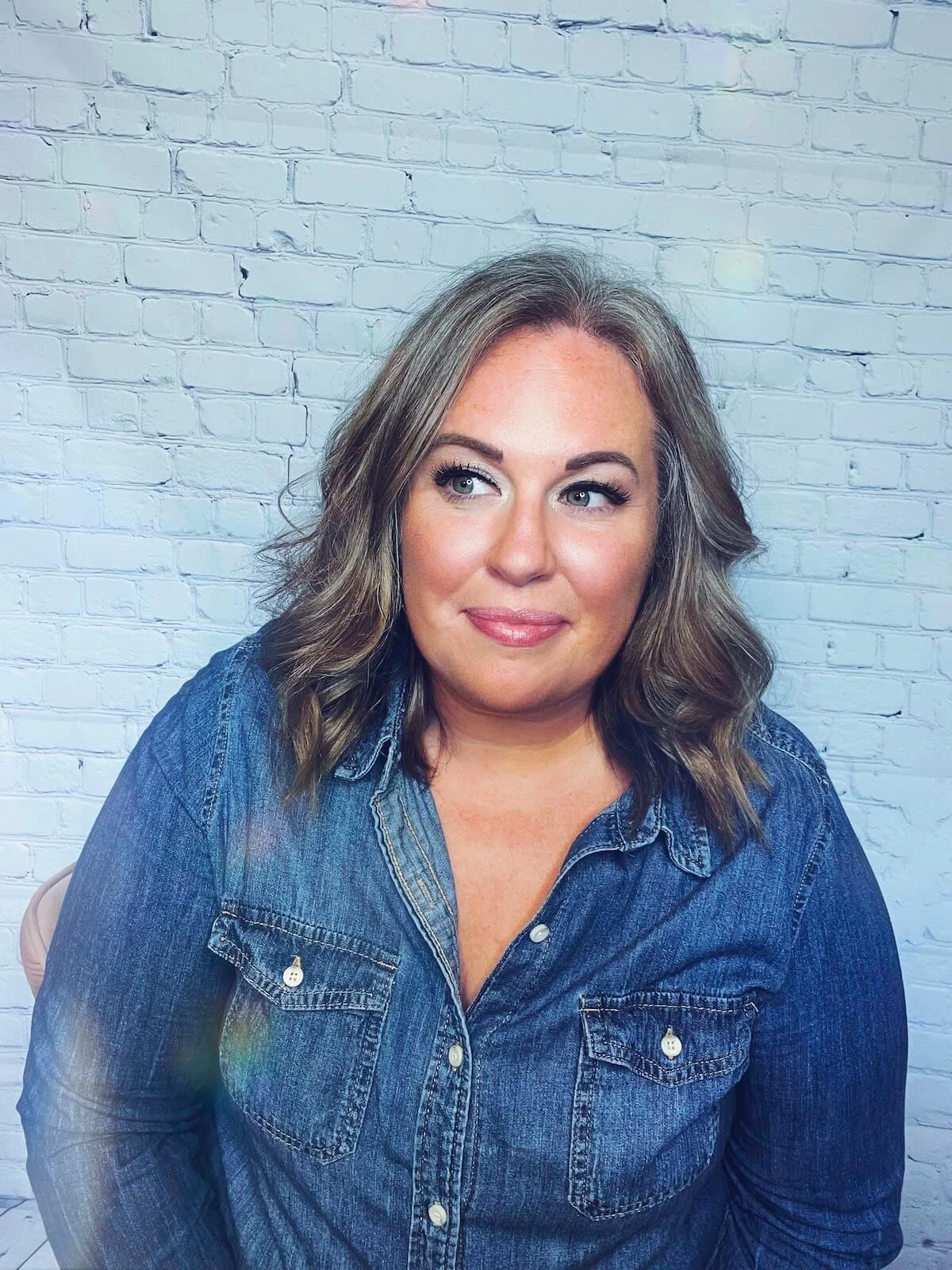
I might have a lot of Letters after my name, butI’m a human first!
The more I work in the ‘profession of people’, the more I realize how important it is for my clients and colleagues to know who I am as a human first–none of that stuffy professional behind a clipboard stuff for me!
If you’re into personality tests and profiles, I identify as a Self Preservation 4 wing 5 on the Enneagram, an INFJ on the Myers Briggs Type Inventory, and Cancer sun sign (I really stood no chance when it came to being an emotional and intuitive person!) For me, understanding these various inventories has helped me lean more into myself as a whole person–especially when in high demand/high control religion there were so many parts of me that I desperately wanted to cut off because they were deemed ‘too much’ or ‘sinful’!

When I am not working and the weather is nice, you can find me on the greenways (trails along the river) with my dog, Phoebe or sitting on my patio reading a book. Journaling is a spiritual practice of mine; I do my best self-therapy through writing or on the trail! I have some pretty amazing friends–most of whom appreciate Mexican food and margaritas as much as I do, though hanging around a bonfire is a pretty close second! My favorite season is fall and I burn a fall scented candle in my house year round.
My guilty pleasure (which I don’t really feel guilty for!) is reality TV with the Bachelor and Survivor being my favorite. I much prefer online shopping over in-store shopping, Miracle Whip over Mayo, coffee over tea, watching 32 episodes of a TV show in one sitting over a movie, and waking up early over staying up late. If I wasn’t in this profession, I think I would really enjoy being an interior designer–and even considered going to school for it!