
Healing from Religious Trauma, Complex Trauma, and Life’s Major Transitions
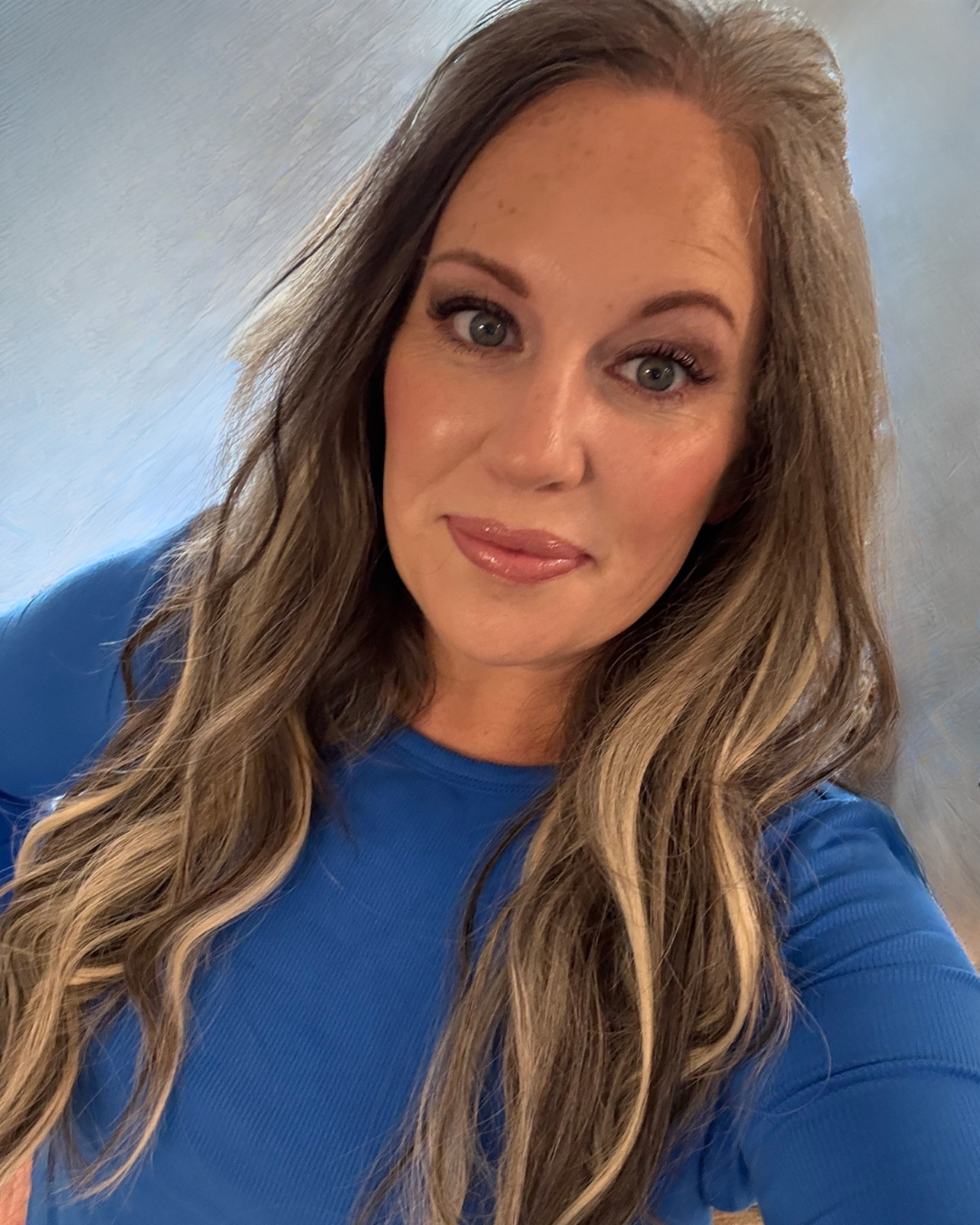
Hi! I’m Dr. Laura Anderson–I’m a therapist, trauma resolution coach, author, educator, and speaker specializing in the intersection of trauma, nervous system health, religious trauma, and women’s midlife well-being. I help people heal from the impacts of high-control relationships and systems, complex trauma, chronic stress, and the physical, emotional, and identity shifts that often emerge during midlife.
Whether you’re recovering from religious trauma, navigating perimenopause after years of chronic stress, struggling with symptoms that don’t seem to make sense, or simply feeling disconnected from yourself, my work is centered on helping you better understand your body, rebuild self-trust, and move toward a life that feels more authentic, connected, and sustainable.
Dr. Laura is now accepting clients for Individual Therapy and Coaching!
Learn more here, and click the button below to schedule your free inquiry call to get started

MY MISSION IS TO PROVIDE SUPPORT FOR
Religious Trauma
Culturally, religion has largely been considered a supportive factor in one’s life with instances of spiritual abuse and adversity being limited to specific people, denominations, or “bad church experiences” and those in the helping field having very little understanding or knowledge of religious trauma. Until recently. With the rise of the #ChurchToo movement, social media as a platform to share one’s stories and trailblazing research, a darker side of religion has emerged, leaving many grappling with the Adverse Religious Experiences, harm, and spiritual abuse they endured—often resulting in trauma, with very little support.
Complex Trauma & High Control Relationships
When people think about trauma, they often think of a single event: an accident, natural disaster, or assault. But many individuals experience a different kind of trauma—one that develops slowly over time through chronic stress, repeated relational harm, emotional abuse, coercive control, neglect, or environments where safety, autonomy, and authenticity are consistently threatened.
Complex trauma can impact every aspect of life, including physical health, emotional well-being, relationships, self-worth, decision-making, and nervous system functioning. Because these experiences often become normalized, many people spend years blaming themselves for symptoms that are actually adaptive responses to prolonged adversity. Healing begins when we understand that our responses make sense in the context of what we have lived through.
Midlife Women’s Health & Identity Transitions
For many women, midlife arrives with far more than hot flashes and changing hormone levels. What is often described as a biological transition can also be a profound physical, emotional, relational, and identity shift. Sleep disruption, anxiety, brain fog, chronic pain, fatigue, changing relationships, shifting priorities, and questions about who we are and what we want can emerge in ways that feel confusing and unexpected.
For women with histories of trauma, chronic stress, care-giving responsibilities, adverse religious experiences, or years of putting themselves last, these changes can feel especially overwhelming. Yet midlife is not simply something to survive. With the right support, information, and understanding, it can become an opportunity to reconnect with yourself, build greater self-trust, and create a life that reflects who you are now—not just who you’ve been expected to be.

I believe that religious
trauma IS trauma.
As such, I seek to work with mental health professionals, coaches, helpers, advocates, and survivors to educate and support resolution of and recovery from religious trauma. With a nervous system and body-centered foundation for healing, I believe that it is possible to live a whole life after leaving high demand/high control religion.
Whether you are a professional, lay-person, or survivor, I seek to meet you where you are at by tailoring consultation, therapeutic and coaching work, and teaching to meet your goals.
MIDLIFE IS MORE THAN HORMONES
Many women enter midlife expecting hot flashes and irregular periods.
What they don’t expect are the sleep disruptions, anxiety, brain fog, chronic pain, fatigue, shifting relationships, changing priorities, resurfacing trauma, and identity questions that often accompany this season of life.
For women with histories of trauma, adverse religious experiences, chronic stress, or caregiving roles, midlife can feel particularly confusing.
You are not broken; your body is not betraying you.
Midlife is often a profound biological, psychological, relational, and existential transition—and understanding what’s happening can be the first step toward feeling like yourself again.
Through therapy, coaching, education, and speaking, I help women navigate this transition with greater clarity, self-compassion, and confidence.
SERVICES
Therapy & Coaching
Religious Trauma
Complex Trauma & High Control Relationships
Midlife Transitions
Mini and Day-Long Intensives
Consultant
Clinicians
Mental Health Professionals
Organizations
Women’s Health & Trauma Education
Educator
Religious Trauma
High Control Systems + Relationships
Nervous System Health
Midlife Well-being

Midlife Reset Coaching
No one warned us that midlife could feel like this.
The sleep struggles. The brain fog. The anxiety. The changing relationships. The questions about who we are, what we want, and why our bodies suddenly seem to be operating by a completely different set of rules.
For many women, midlife is not simply a biological transition—it is a whole-life transition.
My work combines trauma-informed care, nervous system education, women’s health advocacy, and practical support to help women make sense of what is happening and reconnect with themselves during this often-overlooked season of life.
Get the Guide
Learn about what religious trauma is with examples and guidance on what to do if you have religious trauma.


